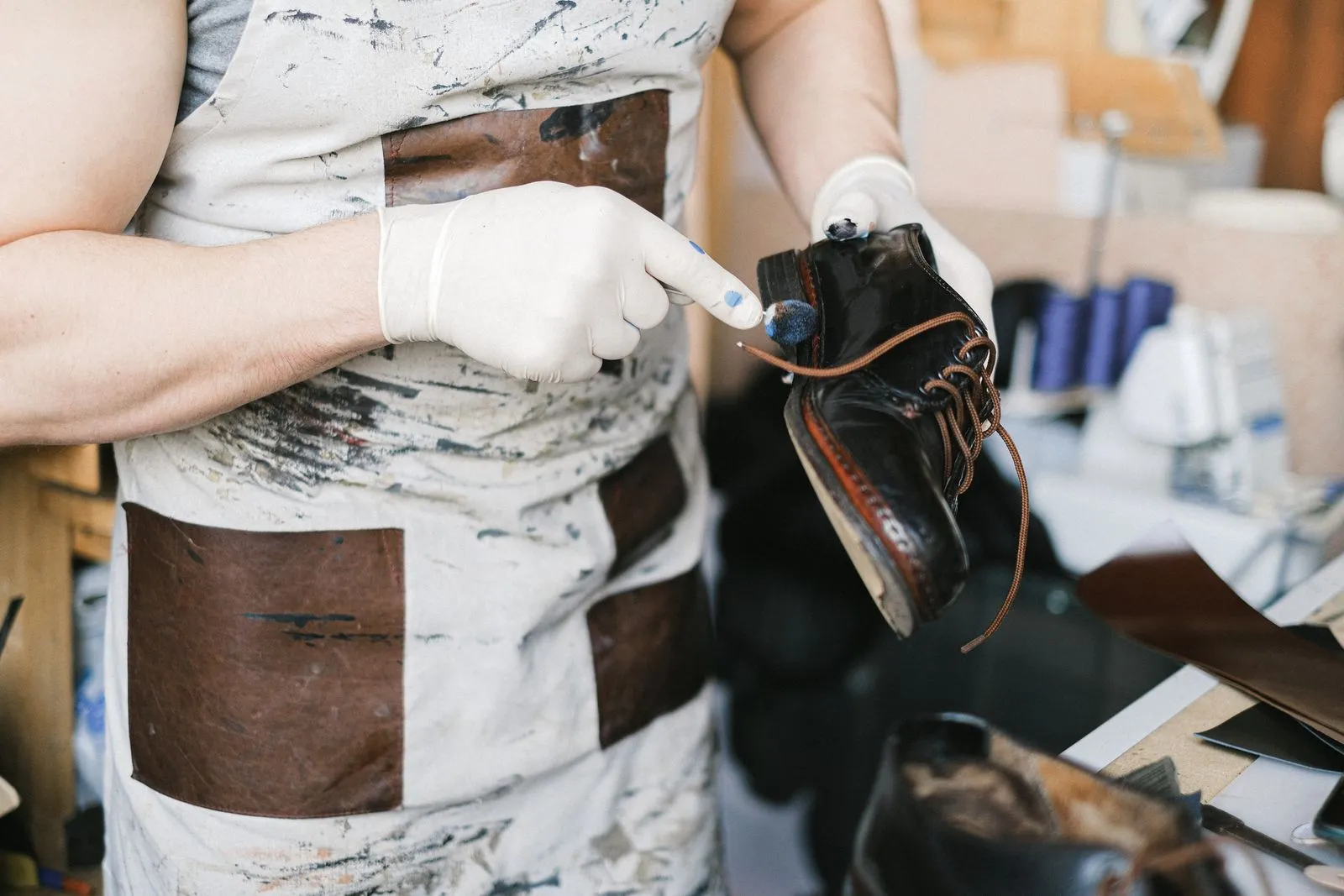
Handmade shoes can be a practical choice for everyday wear, but craftsmanship alone does not guarantee a good fit or easy care. Think about where you will wear them, how many hours you will spend on your feet, and what conditions they will face. Then compare the materials, construction, and shape of each pair. A few careful checks before buying can help you choose shoes that feel comfortable from the start and suit your routine over time.
Match Materials to Your Routine
Leather is a common choice because it can soften and adapt with wear, but different finishes need different care. Smooth leather is relatively straightforward to wipe clean and condition. Suede has a softer surface that can mark more easily, so it calls for a suede brush and protection from heavy rain. If your shoes will see frequent outdoor use, ask how the specific material handles moisture and scuffs.
Also consider the lining and sole, not just the upper. A breathable leather lining may feel more comfortable during long days, while a rubber sole can offer useful grip and weather resistance. A leather sole may suit indoor or dry conditions but can be slick on wet pavement. Choose materials based on your actual commute and daily activities rather than appearance alone.
Check How the Shoe Is Built
Look for clean, even stitching and a sole that sits securely against the upper. Ask how the shoe is constructed and whether a cobbler can repair or replace the sole. Some construction methods make resoling easier than others, which can extend a shoe’s useful life. A well-made pair should also feel balanced when you hold it, without loose edges or visible gaps where parts meet.
Durable construction does not make every style suitable for constant wear. A lightweight dress shoe may be best for office days, while a sturdier sole can work better for walking between errands. Consider whether the heel feels stable and whether the sole flexes where your foot naturally bends. These details affect how the shoe performs over a full day.
Prioritize Fit and Comfort
Try shoes on later in the day if possible, when your feet may be slightly larger. Wear the socks you expect to use with them, then walk on a firm surface. Your heel should feel secure, your toes should have room to move, and the shoe should not pinch across the widest part of your foot. Do not count on a painful fit becoming comfortable with time.
Handmade shoes may be available in different widths or offer adjustments, so ask what can be changed before purchase. Pay attention to pressure around the instep and whether the arch feels supported. If the shoe fits well in length but rubs in one spot, ask whether that area can be adjusted safely. Avoid sizing up to solve a width problem if it makes your heel slip.
Plan for Care and Rotation
Simple upkeep helps shoes stay presentable and comfortable. Brush off dirt after wear, let damp shoes dry at room temperature, and use shoe trees when appropriate to help maintain their shape. Apply a conditioner or protective product only if it suits the material. For suede, use products made for suede rather than general leather polish, which can change the texture or color.
Give shoes time to dry and recover between wears, especially after a long or wet day. Keep them away from direct heat, which can dry out leather or affect adhesives. Check the soles and heels periodically for uneven wear; timely repairs can prevent small issues from becoming harder to fix. Before buying, ask about recommended care and available repair options.
The right handmade shoes balance materials, repairable construction, a comfortable fit, and care you can realistically maintain. Compare pairs against your everyday routine, then walk in them before deciding. For help considering styles and fit, visit Pasadena Made Shoes in Pasadena and ask questions about materials, construction, and upkeep.